2026-11-28 ·
Why Your Garage Door Struggles During Spring Texas Heat and Humidity
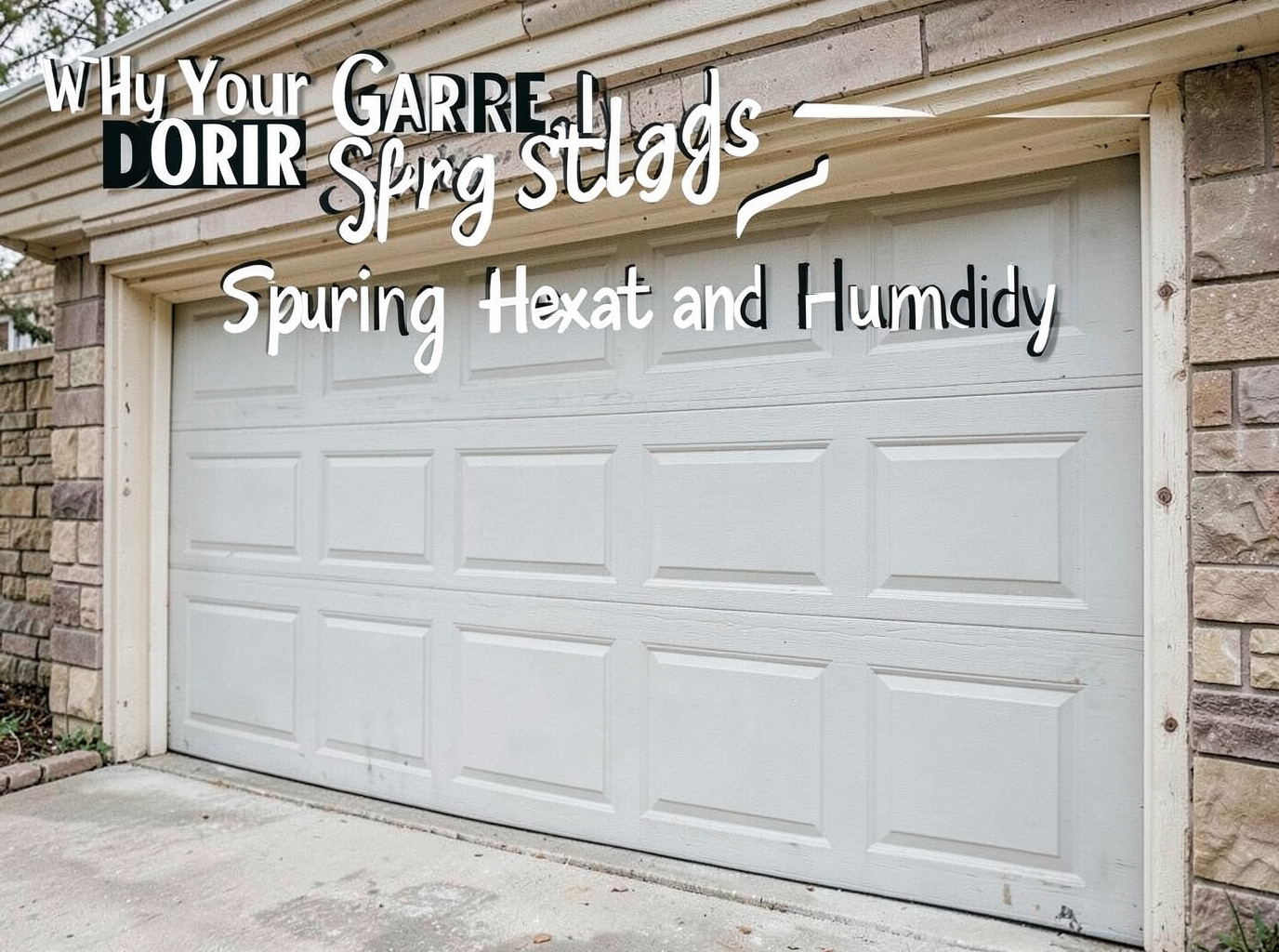
Your garage door struggles during Spring heat and humidity because the components that move it change with the weather. Once daytime highs settle into the 90s around late May, steel springs and metal tracks expand, lubricant thins out, and moisture starts working on exposed hardware. The door may still open, but it often sounds louder, moves slower, or stops partway through its travel. Most of these symptoms are predictable, and many can be addressed with a careful inspection and basic maintenance before a part fails outright.
Why Heat Changes How Your Door Moves
A garage door is balanced by torsion or extension springs that store large amounts of tension. Metal expands as temperatures rise, and in a hot garage that can mean the springs, rollers, and tracks are not exactly where they were during a cool March morning. Tight tolerances between the rollers and track can shrink just enough to cause binding, especially on the vertical run of the track. The door also carries more weight in your motor's effort because the balance has shifted slightly.
Heat also affects the lubricant you applied last fall. Many standard garage door greases soften in high temperatures and slide off the coil and bearing surfaces, leaving metal rubbing against metal. Rollers with worn nylon or plastic wheels can become sticky or flatten, adding resistance that was not noticeable in cooler weather. If your door seems fine in the morning but drags by afternoon, heat expansion and softened lubricant are the likely cause.
Humidity, Rust, and Stuck Tracks
Humidity is the other half of the problem. Spring humidity around Spring and Houston means moisture hangs in the air for long stretches, and it settles on metal hardware overnight. Surface rust starts on hinges, track brackets, and the bottom bracket that anchors the springs. Rust adds friction, and it can also stiffen moving parts until the door hesitates at the same spot every time it opens.
- Look for orange or brown spots on hinges, brackets, and the track
- Check for grit or dried lubricant buildup along the track curves
- Notice whether rollers squeak, grind, or catch when you open the door slowly
- Watch for wood panels that swell, rub, or no longer sit flush with the frame
Wood and composite doors deserve extra attention. Panels that absorb humidity can swell and rub against the weatherstripping or the door frame, creating resistance that looks like a motor problem. Wiping down the track, removing rust with a fine abrasive pad, and applying a silicone-based or lithium-based lubricant to the hinges and rollers usually clears up minor sticking. Avoid spraying lubricant onto the springs or the electric opener gears, because those surfaces need a different product.
Opener and Sensor Problems That Look Like Struggling
Sometimes the door is not the issue at all. A failing opener or a misaligned safety sensor can make a healthy door appear to struggle. If the opener motor sounds strained, runs for a few seconds, or stops mid-travel, the problem may be an opener that needs more power than it can deliver after heat has affected the drive system. Trolley chains that have stretched or belts that have worn can also slip under load.
Safety sensors deserve a quick check each spring. The two photo-eye sensors near the floor should face each other, and their indicator lights should be steady rather than blinking. Clear away dust, cobwebs, or spider webs from the lenses, because humidity can leave a film that interrupts the infrared beam. If the door reverses unexpectedly or refuses to close, a sensor alignment problem is common. For opener-specific symptoms, a garage door opener repair visit can confirm whether the motor, logic board, or drive components need attention.
A Practical Spring Checklist
A short seasonal inspection catches most heat and humidity problems before they stop the door. Work through these steps on a day when the door is closed and the opener is unplugged or the emergency release is accessible:
- Inspect the springs and cables for visible gaps, rust, or fraying, and keep your hands away from the spring coils.
- Wipe the tracks clean and check that the rails are straight, tight, and free of dents.
- Lubricate hinges, rollers, and the bearing ends of the torsion shaft with the correct product.
- Test the balance by opening the door manually to about waist height. A well-balanced door should stay put.
- Confirm both safety sensors are aligned and that the door reverses when an object blocks the path.
- Check the weatherstripping at the bottom and sides for cracks, since a loose seal lets humidity and dust into the garage.
If the door fails the balance test or the springs show visible damage, stop there and schedule professional service rather than adjusting tension yourself.
Heat and humidity rarely break a garage door in one day, but they wear down friction points, expose rust, and tighten tolerances that were already close. A careful spring inspection, clean tracks, and fresh lubricant handle many of the common symptoms. When the door still drags, reverses, or leaves you unsure which component is failing, a garage door repair visit can pinpoint the cause. If you want to understand what to check on a track problem first, read Can You Fix a Garage Door Off Its Track Yourself? A Safe DIY Checklist before you start any work.